What are the Benefits of Using Butterfly Valves in Industry?
Butterfly Valves are essential components in various industrial applications. Their simple design allows for efficient flow control. This feature makes them a preferred choice in many industries, including water treatment and petroleum. The structure of a butterfly valve includes a disc that pivots to regulate flow. This mechanism ensures quick opening and closing, which saves time.
Using a butterfly valve reduces maintenance costs. Their lightweight design enables easier installation and handling. Additionally, they are versatile and can handle different types of fluids. However, they may not be ideal for all situations. High-pressure systems often require other valve types for better performance. It’s important to assess specific needs before making a choice.
Understanding the durability of butterfly valves is crucial. In many cases, they can withstand harsh conditions. Yet, they may wear out faster in abrasive environments. Regular inspections are necessary to ensure reliability. Overall, butterfly valves offer significant benefits. Their efficiency and cost-effectiveness make them valuable in the industrial sector.
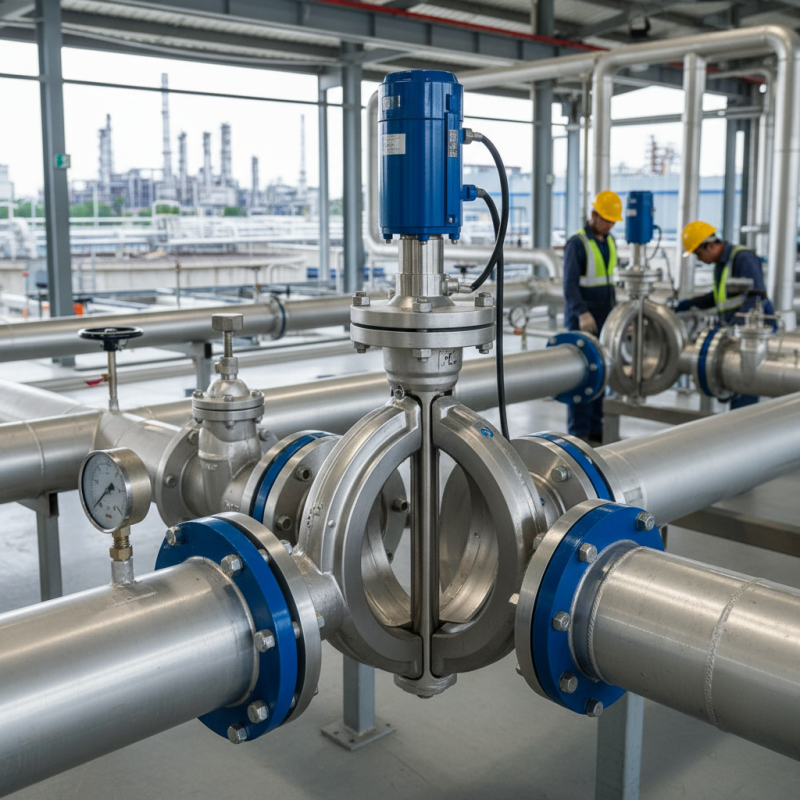
Benefits of Butterfly Valves in Fluid Control Applications
Butterfly valves are increasingly prevalent in fluid control applications across various industries. They are designed for efficient flow regulation, providing significant benefits in managing different types of fluids. According to the Global Butterfly Valve Market report, the industry is projected to witness a growth of over 7% annually. This surge can be attributed to their compact design and lower operational costs compared to traditional valves.
In fluid control, butterfly valves excel in providing quick shut-off and precise flow control. Their simple structure allows for a lightweight design, reducing installation costs and space requirements. Research from Technavio indicates that using butterfly valves can reduce energy consumption by up to 20% in certain applications. This improved energy efficiency makes them an attractive choice for industries focusing on sustainability.
However, it is essential to consider that butterfly valves may not suit all applications. They can sometimes struggle with high-pressure drop scenarios. Additionally, the material selection can impact their longevity and performance. Some industries report issues with sealing, which can lead to leaks if not addressed properly. Understanding these factors ensures that butterfly valves can be effectively utilized for optimal fluid control.
Enhanced Flow Control and Efficiency with Butterfly Valves
In industrial applications, butterfly valves have emerged as a crucial component for enhanced flow control and efficiency. These valves excel in regulating fluid flow with minimal resistance, which leads to improved energy consumption. According to a report by the Flow Control Magazine, using butterfly valves can reduce energy usage by up to 30% in large-scale operations. This statistic underscores their effectiveness in various fields, including water treatment and chemical processing.
The simple yet robust design of butterfly valves contributes to their efficiency. They offer rapid operation, allowing systems to operate smoothly and without delay. Their lightweight structure reduces installation time and costs, making them a preferred choice among engineers. It’s remarkable to note that even slight adjustments in valve positioning can lead to significant changes in flow rates. A study from the American Society of Mechanical Engineers emphasizes that proper valve sizing is crucial for optimal performance, as improper sizing can hinder flow efficiency.
However, it's essential to recognize that butterfly valves might not be suitable for all applications. In high-pressure settings, issues such as valve seat wear can lead to leakage over time. Regular maintenance is vital to address this concern, ensuring durability and reliable performance. Industry leaders often highlight the importance of routine inspections, yet many facilities may overlook this, leading to potential inefficiencies and increased operational costs.
Cost-Effectiveness of Butterfly Valves in Industrial Settings
Butterfly valves are highly valued for their cost-effectiveness in industrial settings. Studies indicate that they can reduce capital costs by up to 30% when compared to other valve types. This reduction is primarily due to their simple design and reduced material requirements. In large-scale applications, their lightweight nature makes installation and maintenance easier, which ultimately lowers labor costs.
An interesting aspect to note is their energy efficiency. Butterfly valves typically require less torque to operate. This leads to lower operational energy costs. According to industry reports, using butterfly valves can achieve energy savings of about 20% over traditional valve systems. The ability to manage flow effectively enhances system performance.
**Tip:** Regular maintenance checks can further enhance the lifespan of butterfly valves. Monitoring wear can prevent costly failures.
When considering the initial investment, it is essential to look beyond the purchase price. Long-term savings can accumulate through minimal maintenance requirements. However, the installation environment should be considered. Improper installation can lead to reduced performance. Always consult with an expert during this phase to maximize the benefits.
What are the Benefits of Using Butterfly Valves in Industry? - Cost-Effectiveness of Butterfly Valves in Industrial Settings
| Benefits | Description | Cost-Effectiveness |
| Lightweight Design | Butterfly valves are relatively lightweight compared to other valve types, making installation easier. | Lower shipping and handling costs due to reduced weight. |
| Quick Operation | They can be opened or closed with a quarter turn, providing fast flow control. | Reduces time and labor costs in operational processes. |
| Low Maintenance | Require less maintenance compared to other valve types, as they have fewer parts. | Saves on maintenance costs over the life of the valve. |
| Space Efficiency | Their compact design saves space within piping systems. | Allows for more efficient use of plant floor space. |
| Versatile Application | Suitable for various applications, including water treatment, HVAC, and chemical processing. | Reduces the need for multiple types of valves, streamlining inventory. |
Durability and Maintenance Advantages of Butterfly Valves
Butterfly valves are gaining popularity in various industries due to their robust durability and low maintenance needs. They consist of a simple design with a disc that rotates to start or stop the flow. This simplicity often leads to fewer breakdowns compared to more complex valve types. According to industry reports, up to 30% of maintenance costs can be reduced by using butterfly valves.
One key advantage is their resistance to corrosion and wear. Butterfly valves can be made from materials like stainless steel and plastic. These materials extend lifespan significantly. For instance, a well-maintained butterfly valve can last over 20 years, depending on the application. However, it is essential to monitor their operation. Regular checks can prevent silent failures, which may lead to costly downtime.
Tip 1: Ensure that butterfly valves are installed correctly to maximize their lifespan. Proper alignment reduces stress on components.
Another important aspect is the ease of maintenance. Most butterfly valves can be serviced without removing them from the pipeline. This feature streamlines maintenance processes. Operators can inspect and repair valves quickly, maintaining operational efficiencies. Awareness of potential issues, such as seal wear, can improve reliability.
Tip 2: Develop a routine maintenance schedule. Checking seals and disc integrity regularly can enhance valve performance.
Benefits of Using Butterfly Valves in Industry
Applications of Butterfly Valves across Various Industries
Butterfly valves are widely used across various industries for their efficiency and versatility. In water treatment plants, these valves regulate water flow, ensuring safe distribution. Their compact design allows for easy installation in tight spaces, making them ideal for retrofitting older systems.
In the HVAC sector, butterfly valves control heating and cooling systems effectively. They respond quickly to changes in pressure and temperature. This responsiveness enhances system efficiency, which can save on energy costs. However, installing these valves requires careful consideration of the system design to avoid potential issues.
Tips: When choosing butterfly valves, consider the material and diameter for optimal performance. Regular maintenance ensures longevity and reliability.
Food and beverage industries also benefit from butterfly valves. They prevent contamination by offering tight seals in processing lines. However, maintaining cleanliness is crucial to avoid any risks. It's important to periodically review and adjust operations.
Tips: Ensure that all components meet hygiene standards for safety. Don’t overlook the importance of regular inspections.
