China Best Mochi Ice Cream Supplier for Global Buyers
Choosing a China Best Mochi Ice Cream Supplier for Global Buyers requires more than comparing prices and colorful packaging. Buyers need stable recipes, clean production areas, reliable freezing systems, and clear export communication. Mochi Ice Cream must arrive with its soft rice-dough shell intact, not cracked, dry, or overly sticky. A small detail can change the customer’s entire first impression.
Frances Hashimoto, the former president of Mikawaya, helped popularize this dessert in the United States. She once said, “Mochi ice cream is a little bit of heaven.” Her words reflect the product’s appeal: a cool, creamy center wrapped in a tender, chewy layer. However, practical sourcing matters just as much as emotional appeal. A qualified supplier should explain ingredient origins, allergen controls, production capacity, shelf-life testing, and temperature requirements. Buyers should also request samples from different batches. One sample is not enough.
The best partnership is built through evidence. Factory audits, documented quality procedures, responsive technical support, and accurate shipping records can reduce avoidable risks. Packaging should protect individual pieces during long-distance transport. It should also display precise storage instructions for distributors and retailers. Some suppliers may promise everything. Reality can be less perfect. Communication delays, flavor variation, or weak carton design may appear later. That is why buyers should test a small order before expanding. Careful evaluation helps global customers find a dependable Chinese manufacturer, while leaving room to improve flavor, texture, and service over time.
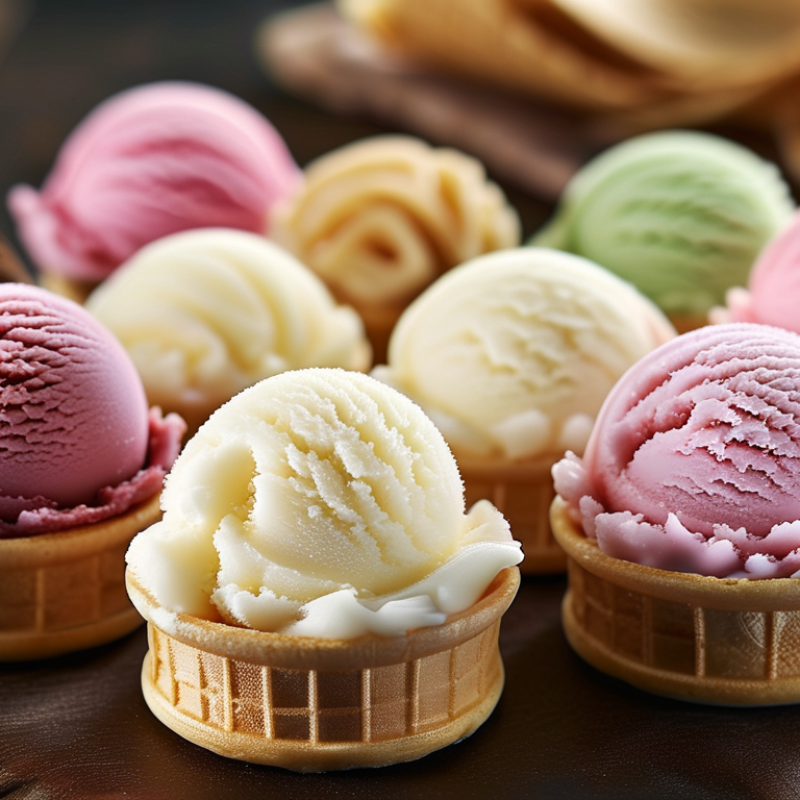
Mochi Ice Cream: Product Definition and Global Market Overview
Mochi ice cream combines a chewy rice-flour shell with a frozen dairy or plant-based filling. Each piece is usually small, round, and individually portioned. The shell should remain flexible after freezing. The center must stay creamy, not icy. This contrast defines the product experience.
Market sizing requires caution. Many industry reports classify mochi ice cream within ice cream or frozen desserts. Grand View Research valued the global ice cream market at USD 79.08 billion in 2021. Its report also projected continued growth through 2030. Fortune Business Insights highlights Asia Pacific as a major ice cream market, supported by urbanization and changing cold-chain access. However, these figures do not measure mochi ice cream alone. I would treat them as directional, not exact.
Global buyers usually assess more than flavor. They check shell thickness, filling weight, freezer stability, and thawing behavior. A practical supplier should provide ingredient specifications, allergen information, microbiological controls, and validated shelf-life data. Export packaging also needs strong insulation and clear temperature instructions. China-based production can support flexible flavors and efficient portion control, but quality consistency still needs repeated sampling. One attractive test batch proves little. Buyers should compare several production lots before committing to regular orders. That step is often skipped.
China Best Mochi Ice Cream Supplier for Global Buyers
Mochi Ice Cream: Product Definition and Global Market Overview
Product definition: Mochi ice cream is a frozen dessert consisting of an ice cream center wrapped in a soft, chewy layer made primarily from glutinous rice flour.
Market context: The chart uses the broader global ice cream market as a reliable market proxy because publicly available industry statistics do not consistently report mochi ice cream as a separate category. The market is estimated to increase from approximately USD 79.08 billion in 2023 to USD 109.81 billion by 2030, based on a reported annual growth rate of about 4.8%.
Source basis: publicly reported global ice cream market estimates; values are rounded and the 2030 figure is a CAGR-based projection. Mochi-specific market values may vary by definition and region.
Key Qualities of a Reliable Mochi Ice Cream Supplier
A reliable mochi ice cream supplier must combine soft texture with disciplined production. Grand View Research valued the global ice cream market at over USD 80 billion in 2023, showing the scale of competition and buyer expectations. Mochi products need more than attractive flavors. Suppliers should control rice-dough thickness, filling temperature, and freezing speed during every batch.
Consistency matters most.
Experienced manufacturers should provide batch records, ingredient specifications, allergen controls, and traceability documents. The Codex General Principles of Food Hygiene recommends hazard-based controls, including monitored temperatures and documented corrective actions. Buyers should also request cold-chain evidence from factory loading to delivery. A sample arriving soft or cracked may reveal weak packaging, poor insulation, or delayed handling.
Packaging deserves careful testing. The outer film should resist freezer moisture, while each piece needs enough space to prevent deformation. Suppliers with export experience can explain shelf-life testing, carton strength, pallet patterns, and destination-specific requirements. They should support third-party audits and transparent factory communication, not merely send polished samples. The Global Cold Chain Alliance has repeatedly highlighted temperature management as a major factor in frozen-food quality, yet smaller suppliers may lack detailed sensor records. That is a warning sign, not an automatic rejection. A supplier can be technically capable and still miss a deadline. Buyers should compare trial orders, response times, complaint handling, and production capacity before signing larger contracts.
Quality Control, Certifications, Packaging, and Cold-Chain Logistics
China Best Mochi Ice Cream Supplier for Global Buyers
Frozen mochi demands control long before shipment. Each batch should follow documented HACCP procedures, allergen checks, metal detection, and weight verification. Temperature matters. A practical export target is -18°C or below, although destination rules may differ. The FAO’s 2019 State of Food and Agriculture estimates that 14% of food is lost between harvest and retail. Reliable freezing and handling reduce this risk. Suppliers should provide batch codes, production records, test results, and traceability within hours, not days.
Certifications support trust, but paperwork alone is not enough. Buyers should verify the certificate scope, expiry date, factory address, and audited product category. ISO 22000, FSSC 22000, or another recognized food-safety certification can strengthen supplier qualification. Packaging needs food-grade inner film, durable cartons, clear allergen information, and protection against freezer burn. The Global Cold Chain Alliance’s 2023 capacity report describes a global refrigerated-storage network exceeding 800 million cubic metres. Capacity is growing, yet loading delays still happen. That weak point deserves honest planning.
Tips: Request temperature logger data for every trial shipment. Confirm carton dimensions before booking space. Use pre-cooled vehicles and sealed pallets. Check the product core temperature, not only the truck display. Ask for a written contingency plan covering port delays, power loss, and damaged cartons. A perfect-looking audit file cannot replace a real factory visit. Small gaps hurt.
How Global Buyers Can Evaluate and Select the Best Supplier
China Best Mochi Ice Cream Supplier for Global Buyers
Global buyers should evaluate more than price, flavor lists, and attractive packaging. A reliable supplier should provide factory audit records, ingredient specifications, allergen controls, and lot-level traceability. Ask for recent certificates from a GFSI-recognized food safety scheme. Verify them independently. Start with samples.
Mochi ice cream needs careful control at every stage. Check the wrapper’s elasticity after freezing, filling weight, melting behavior, and carton strength. Request temperature records from production through dispatch, preferably with calibrated data loggers. The product should remain consistently frozen, not show severe frost or crushed mochi. WHO reports that unsafe food affects about 600 million people annually, so sanitation evidence cannot be treated as paperwork. The 2024 UNEP Food Waste Index Report estimates 1.05 billion tonnes of food were wasted in 2022. Accurate forecasts, suitable case sizes, and strong packaging can reduce avoidable losses. Ask suppliers to share minimum order quantities, lead times, production capacity, and contingency plans in writing. A factory visit can reveal cleaning routines, worker hygiene, and cold-room discipline better than a sales presentation. Yet one visit is not enough. Independent laboratory testing should confirm microbiological safety, allergens, net weight, and shelf-life claims. I would also test a small commercial shipment before committing to a large order. Low pricing may hide weak cold-chain control, inconsistent sizing, or expensive rejected stock. Supplier selection is not perfect science; even experienced buyers can overlook seasonal capacity pressure.
