How to Choose the Best Sacks and Bags for Your Business?
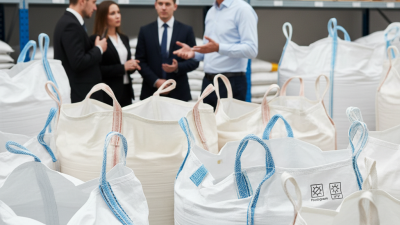
Choosing the right sacks and bags for your business is crucial. These products are not just containers; they represent your brand. A well-designed bag can enhance your company's image while providing functionality.
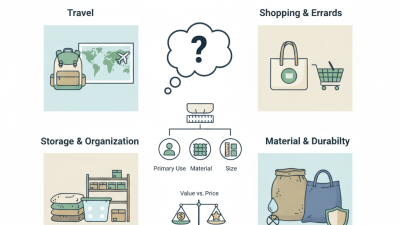
When considering sacks and bags, think about the materials. Eco-friendly options are increasingly popular. They appeal to customers who value sustainability. You may face challenges in selecting the right size, shape, and style. It's essential to consider your target audience. What do they prefer? How can your choices reflect their needs?
There's no one-size-fits-all solution. Each business has unique requirements. Experimentation may lead to unexpected insights. Sometimes, what seems perfect may not resonate with your clients. Reflect on feedback to continually improve your choices. Investing time in this decision can yield long-term benefits. Quality sacks and bags can elevate your brand and customer perception.

Factors to Consider When Choosing Sacks and Bags for Your Business
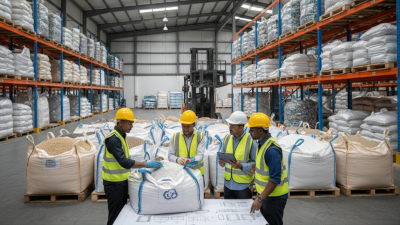
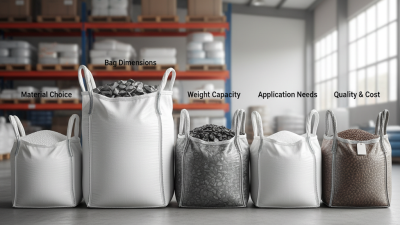
Choosing the right sacks and bags for your business can significantly impact your operations. Consider the material. Eco-friendly options are increasingly popular. They resonate with customers who prioritize sustainability. Think about durability too. Bags must hold their contents without ripping or tearing, especially if you deal with heavy items. A torn bag can lead to losses and unhappy customers.
Size is another critical factor. Ensure the bags fit your products perfectly. Oversized bags can waste materials, while undersized ones can damage the goods. Custom sizes may be beneficial but require careful planning. Additionally, consider the print. Your brand's logo should be prominent. Eye-catching designs attract attention and boost brand recognition.
Cost is essential, but don't compromise quality. Cheaper bags often lead to higher replacement costs. Assess your budget while focusing on the long-term benefits of quality bags. Finally, think about the feedback from your team. They interact with these bags daily and can provide valuable insights. Gathering their opinions can lead to better choices.
Factors to Consider When Choosing Sacks and Bags for Your Business
Understanding Different Types of Sacks and Bags Available
Choosing the right type of sacks and bags for your business is essential. Understanding the various types available can significantly impact your operations. There are numerous options, from woven polypropylene sacks to paper bags. Some bags are durable, while others are more eco-friendly. This dilemma can create confusion, making it tough to decide.
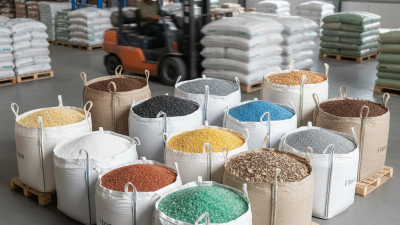
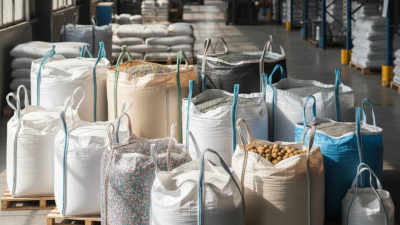
Woven sacks are great for bulk products. They provide strength and can withstand heavy loads. Paper bags, on the other hand, are biodegradable. They are perfect for retail and food services. The choice depends largely on what you are packaging. Consider the product's weight and sensitivity. It's easy to overlook how the bag's design can affect your brand’s image.
Reflecting on your needs is crucial. Often, businesses might choose the cheapest option without considering quality. This could lead to issues, such as product damage or poor customer perception. Take time to weigh your choices. Understanding your target market and their preferences can guide you. Choose wisely and prioritize reliability over cost.
Evaluating Material Options for Durability and Functionality
Choosing the right materials for sacks and bags is crucial for any business. Durability and functionality are key factors. Strong materials like woven polypropylene (WPP) and high-density polyethylene (HDPE) are often recommended. According to a report by Smithers Pira, the global flexible packaging market is expected to reach $300 billion by 2025. This indicates a growing reliance on durable materials in packaging solutions.
The choice of material impacts cost-effectiveness and environmental sustainability. For instance, paper bags are biodegradable, while plastic options have a longer lifespan but pose environmental concerns. A study by the Environmental Protection Agency highlighted that plastic bags have a recycling rate of only 9%. Thus, evaluating the lifecycle of materials is essential. Are we prioritizing short-term functionality over long-term environmental responsibility?
Additionally, businesses must consider the weight of materials. Lightweight options help reduce shipping costs. However, they may compromise durability. Finding a balance is not easy. Some companies opt for heavier materials, ensuring robustness at the cost of higher shipping expenses. Ultimately, understanding your specific needs will guide you in making an informed decision.
Assessing Size and Capacity Requirements for Your Products
When selecting sacks and bags for your business, size and capacity are crucial. According to a report from the Flexible Packaging Association, about 48% of consumers prioritize packaging that effectively fits the product. Ensuring your bags can accommodate the size of your items prevents damage during shipping. For example, oversized bags may lead to shifting and potential breakage, while undersized bags can result in tearing.
Assessing the volume of your products is equally important. A study by Packaging Digest reveals that 76% of packaging failures result from inappropriate sizing. Understanding your product dimensions allows for better packaging decisions. This will not only improve the customer experience but can also enhance brand perception. When bags fit properly, they convey professionalism and reliability.
However, businesses often overlook these aspects, leading to packaging inefficiencies. It's not unusual for companies to find themselves with a surplus of unfit packaging materials. Analyzing your capacity needs continuously can help prevent waste. Inappropriate sizing can increase your shipping costs and decrease customer satisfaction. Evaluating these requirements with care ensures you make informed choices that positively impact your bottom line.
Budgeting and Sourcing: Finding Cost-effective Solutions for Bags
When selecting bags for your business, budgeting is a primary concern. Understand your financial constraints and explore options within them. Consider the volume of bags you need. Buying in bulk can often lower the unit cost. However, beware of excessive stock that may not sell. This can lead to wasted resources.
Sourcing cost-effective solutions requires research. Look for local manufacturers to reduce shipping costs. Assess the quality of materials as well; cheaper bags may not last long, affecting your brand’s reputation. Sometimes, investing a little more upfront leads to long-term savings. Attend trade shows or join industry forums. These platforms can provide valuable insights on suppliers and materials you may not have considered.
Invest time in comparing different suppliers. Request samples to gauge quality before making bulk orders. Don’t shy away from negotiating prices or terms. Suppliers may be willing to offer better deals for established relationships. Ultimately, effective budgeting and sourcing will enhance your business's operational efficiency and brand image.