Choosing the best ton bags starts with understanding what your business truly needs. A bag carrying dry sand requires different protection than one holding fertilizer, grain, or recycled plastic. Product density, moisture, filling equipment, discharge method, and storage conditions all affect the correct design. Small details matter.
Field experience shows that many buyers focus only on price. That can become an expensive mistake. A strong polypropylene fabric, reliable stitching, suitable lifting loops, and accurate dimensions support safer handling. The bag’s safe working load should match your operation, with an appropriate safety factor confirmed by technical documentation. Ask suppliers about material grades, coating options, UV resistance, and production inspections. Clear answers build trust.
Your supply chain also deserves attention. Check whether the manufacturer provides traceable batches, consistent samples, and recognized testing certificates. A trial order can reveal problems that photographs hide, such as uneven seams, weak corners, or difficult discharge. Ton bags should also fit your warehouse layout and transport equipment. A perfect bag on paper may waste space in practice.
There is no universal best option. Sometimes, a cheaper bag performs well for short-term indoor storage. Sometimes, it fails quickly outdoors. Review your actual working conditions before deciding. Compare total operating cost, not only purchase price. A thoughtful supplier should explain limitations, not promise everything. Your final choice should balance safety, durability, handling efficiency, compliance, and dependable supply. That balance protects both your products and your reputation.
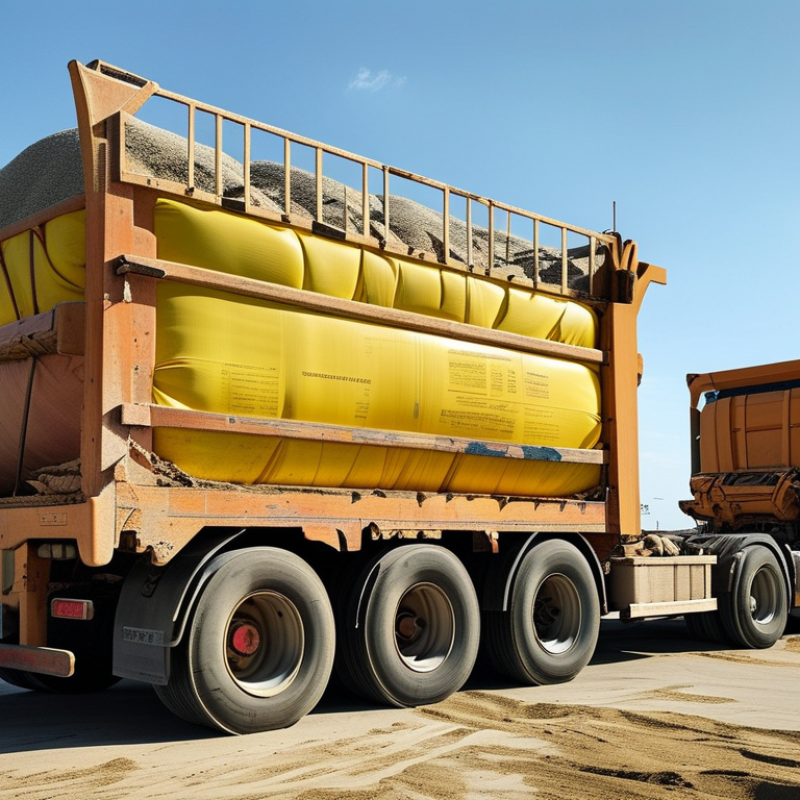
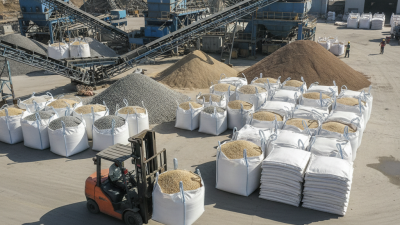
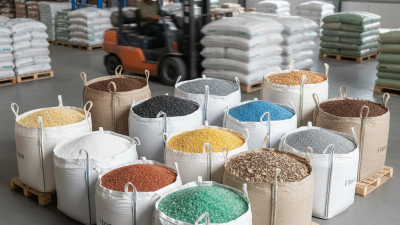
Ton bags, also called flexible intermediate bulk containers, come in several practical forms. Each type fits a different handling problem. Standard bags suit dry materials such as sand, grain, fertilizer, and plastic pellets. They usually include lifting loops and a top opening. A bottom discharge spout can make unloading faster and cleaner.
Baffled ton bags use internal fabric panels to keep a squarer shape. They save warehouse space and improve pallet stability. Ventilated bags allow airflow around crops, wood products, or other materials needing breathability. For powders, a coated fabric or inner liner can reduce moisture exposure and product leakage. Food-contact applications require suitable materials and documented hygiene controls.
Special environments need more care. Conductive or antistatic bags may help control static electricity, but they must match the site’s grounding procedures. Certified bags may be necessary for certain regulated materials. Always check the safe working load, lifting design, seam quality, and filling method. A bag that looks strong can still fail when overloaded.
In warehouse assessments, I have found that unloading often matters more than appearance. A well-chosen spout can reduce dust and labor. However, my first choice is not always perfect. Humidity, forklift habits, and storage time can change performance. Talk with the supplier about samples, testing records, and real loading conditions before placing a large order.
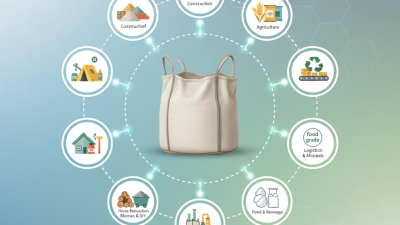
Choosing the right ton bags starts with the load, not the price. Confirm the required safe working load and include the product’s actual bulk density. A bag filled with fine powder behaves differently from one holding dry granules. Leave enough headspace for safe handling. Overfilled bags can strain seams and lifting loops.
Material selection matters in daily storage. Woven polypropylene offers strength and practical moisture resistance. For outdoor use, request UV protection and check the expected storage period. Fine powders may need an internal liner to reduce leakage and contamination. The liner should fit properly, not bunch around the discharge opening. That small detail affects filling speed.
Construction deserves close inspection. Look at the stitching around each corner and lifting loop. Reinforced seams should remain even, without loose threads or skipped sections. Choose four lifting loops for balanced forklift or crane handling. A flat bottom can improve stability during storage. A discharge spout gives better control during emptying, while a secure closure helps prevent dust release. Check the dimensions against your pallets, warehouse racks, and filling equipment. A technically strong bag may still waste space if its shape is wrong. One practical mistake is choosing capacity by volume alone; weight distribution can create unexpected pressure at the base. Ask for test data, inspection records, and clear handling instructions before placing a large order.

Choosing the right ton bag starts with the material, not the advertised capacity. Measure your product’s density, moisture, and flow before selecting dimensions. A bag for dry powder may need a liner, while coarse granules often require stronger seams. Leave enough headspace for safe filling and stable stacking. An oversized bag can shift during transport. That creates avoidable handling problems.
Design should match your equipment and daily workflow. Select filling and discharge openings that connect securely to existing machinery. Four corner loops usually support forklift handling, but loop length and spacing must suit your lifting frame. Cross-corner loops may improve balance in some warehouses. Ask for tested working-load data and inspection records. Do not rely on appearance alone.
In practical warehouse trials, we check a filled bag at floor level before moving it. We watch for tilted loads, stretched loops, and difficult discharge. Small details matter. A dusty product may need tighter fabric or a suitable closure. A moisture-sensitive product may require a coated body and protected seams. I once underestimated the clearance above a filling station, and the chosen bag wasted valuable space. Recheck measurements with the actual equipment. Supplier communication also matters; clear drawings and batch documentation make quality problems easier to trace.
Choosing ton bags is less about appearance than controlled risk. In warehouse trials, I inspect seams, lifting loops, fabric density, and discharge spouts by hand. A bag may look strong. It can still fail under uneven loading. Ask for the intended filling weight, material type, storage duration, and lifting method before comparing quotations. Safety begins with the correct design, not the lowest price.
Request documented test results for tensile strength, seam strength, safe working load, and stacking performance. Confirm that testing matches the bag’s construction and actual use. For sensitive goods, check material declarations, cleanliness procedures, and liner compatibility. Traceable batch numbers matter. They connect each shipment to production records, inspection dates, and corrective actions. A supplier should explain how it controls recycled content, moisture, dust, and dimensional variation. Vague answers deserve a pause.
Supplier reliability shows in ordinary details. Can they provide a pre-production sample, consistent measurements, and realistic lead times? Do they inspect every bag, or only a small sample? Ask to review photos, packing methods, and complaint records. I once accepted a neat sample too quickly; later, loop stitching varied between batches. That mistake changed my process. Now I test filled bags, request independent verification when risk is high, and record results. No system is perfect. Honest suppliers make weaknesses visible and correct them quickly.
| Evaluation Dimension | Recommended Purchasing Benchmark | Verification Documents or Tests | Weight | Sample Score (1–5) |
Selection Notes |
|---|---|---|---|---|---|
| Safe Working Load (SWL) | Select an SWL that exceeds the maximum filled weight, including normal handling variation. Common commercial capacities are approximately 500–2,000 kg, but the actual rating must be specified by the manufacturer. | Product specification, design drawing, load test report, and marked SWL on the bag or label. | 15% | 5 | Do not use nominal capacity alone; verify the complete lifting and filling configuration. |
| Safety Factor and Lift Testing | Require a documented safety factor appropriate to the bag design and reuse requirements. A 5:1 safety factor is widely used for many single-trip FIBCs; reusable designs may require a higher or separately validated rating. | Type-test report, periodic production test records, lifting-loop inspection records, and test method identification. | 18% | 4 | The safety factor is not a substitute for correct filling, lifting, storage, and transport procedures. |
| Applicable Safety Standard | For non-dangerous goods, request conformity information for ISO 21898 or an equivalent recognized FIBC specification. For regulated dangerous goods, require applicable UN packaging performance approval before purchase. | Declaration of conformity, certification scope, test reports, and product-specific approval documents where required. | 15% | 4 | Confirm that the documents cover the exact bag construction, liner, closure, and intended contents. |
| Fabric and Coating Quality | Use woven polypropylene fabric with controlled basis weight, tensile strength, seam compatibility, and coating performance. Choose coated or uncoated fabric according to moisture, dust, and product-flow requirements. | Fabric test results, basis-weight records, tensile and elongation tests, coating inspection, and incoming-material inspection records. | 12% | 4 | Avoid selecting solely by fabric weight; construction and test results also affect performance. |
| Seams, Loops, and Closures | Require consistent seam density, reinforced stress points, securely attached lifting loops, and closures compatible with the filling and discharge process. | Sewing specifications, seam-strength test results, visual inspection criteria, and sample-bag handling trials. | 12% | 4 | The lifting system should match forklift hooks, crane equipment, and site handling procedures. |
| Product Compatibility and Cleanliness | Define whether the product requires food-contact suitability, antistatic protection, sift resistance, moisture protection, or a dust-tight liner. | Material declarations, cleanliness procedure, liner specification, antistatic test results, and product-contact compliance documents where applicable. | 12% | 3 | Antistatic requirements should be assessed by a qualified safety professional when combustible dust may be present. |
| Quality Control and Traceability | Require documented incoming-material checks, in-process inspections, final inspection, defect classification, and lot-level traceability. | Quality manual, inspection plan, batch records, corrective-action reports, retained samples, and traceable lot numbers. | 10% | 4 | A traceable lot number helps isolate defects and supports effective product recalls. |
| Supplier Reliability | Prefer suppliers that provide stable lead times, clear capacity information, consistent specifications, backup production planning, and responsive corrective action. | On-time delivery history, capacity plan, business-continuity plan, customer references without confidential data, and service-level records. | 10% | 3 | Evaluate actual delivery performance over several purchase cycles rather than relying only on quotations. |
| Samples and Field Validation | Approve a production-representative sample after checking filling, stacking, lifting, transport, discharge, and storage conditions. | Signed sample approval, trial-use report, dimensional inspection, filled-bag photographs, and user feedback. | 6% | 4 | A successful sample trial should not replace formal compliance and load-testing documentation. |
| Weighted Evaluation Result | 100% | 3.9 / 5 | Use this score as a purchasing framework, not as a supplier certification. | ||
How to Choose the Best Ton Bags for Your Business?
Ton bags, also called flexible intermediate bulk containers, should be assessed beyond their unit price. Grand View Research estimated the global FIBC market at approximately US$6.4 billion in 2023, with annual growth above 6% through 2030. This growth reflects demand for safer, lighter, and more efficient bulk packaging. Still, a low quotation can hide weak fabric, poor stitching, or unsuitable discharge designs. Ask for the safe working load, safety factor, fabric specification, and test documentation. A bag carrying powdered minerals needs different protection than one holding dry food ingredients.
Customization affects both cost and long-term value. Coated fabric can improve moisture resistance, while an internal liner may protect sensitive materials. Printing, lifting loops, filling tops, discharge spouts, and baffles also change the final price. According to Smithers’ industry analysis of flexible bulk packaging, performance-focused designs are gaining importance as users reduce material waste and handling losses. That does not mean every option deserves an upgrade. A liner may be unnecessary in a dry warehouse. Custom printing may add little value for short-term internal transport.
Calculate the cost per safe use, not per bag. Reusable construction can reduce replacement frequency, but only when cleaning, inspection, and storage are realistic. The Freedonia Group’s industrial container research also highlights the role of logistics efficiency in packaging decisions. Measure pallet space, loading speed, damaged-product rates, and disposal costs. A spreadsheet can still mislead. I would test a small batch first, then review failed seams, dust leakage, and operator feedback before committing to a large order.
Copyright 2025 © Custom Packaging Products | All Rights Reserved