Essential Tips for Choosing the Right PP Woven FIBC Bags?
Choosing the right PP woven FIBC bags can be a daunting task. Many factors deserve your attention. These bags are critical for bulk packaging, and the wrong choice can lead to problems.
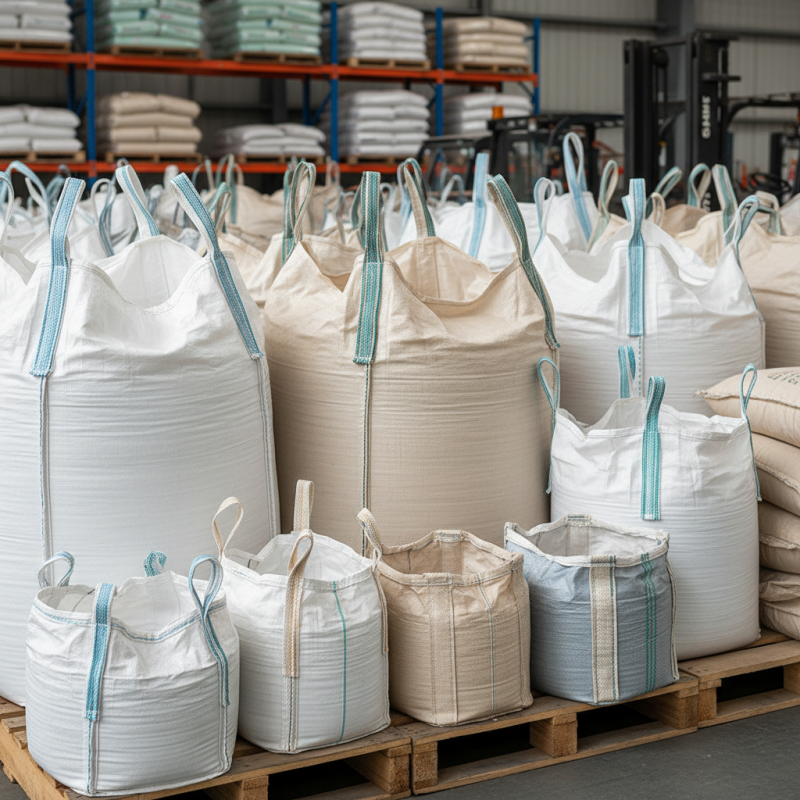
Consider the materials and sizes available. PP woven FIBC bags come in various forms. Your intended use will dictate the best option. You might end up with bags that don't suit your needs if you're not careful. Quality plays a significant role here. Don't overlook the importance of durability and strength.
Reflect on your specific requirements. Will the bags handle the weight? Think about their storage and transportation needs. It’s easy to forget key details amidst the options. Remember, the bags you choose can affect your overall efficiency.
Understanding the Role of PP Woven FIBC Bags in Various Industries
PP woven FIBC bags are essential across various industries, including
agriculture, construction,
and chemicals. Their versatility makes them popular for bulk material handling. According to a report by
Smithers Pira, the global FIBC market is projected to reach
USD 6.4 billion by 2026, reflecting a growth rate of about
6.3% per year.
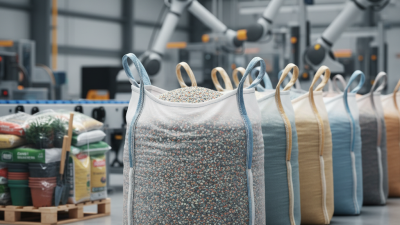
In agriculture, these bags are used to store grains, seeds, and fertilizers.
They protect products from moisture and pests. A study from the Food and Agriculture Organization
highlights that proper storage can reduce post-harvest losses by up to
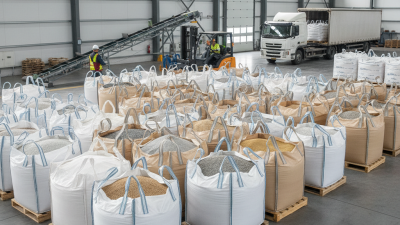
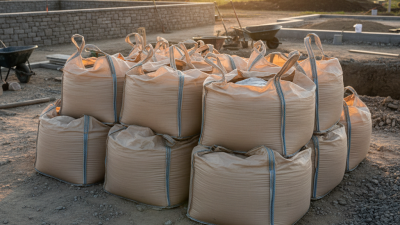
30%. In construction, FIBC bags transport sand, gravel, and other materials,
contributing to efficiency on construction sites. However, choosing the right type can be challenging. Not all bags meet
the required standards or certifications.
The chemical industry also benefits from these bags.
They are used for moving hazardous materials safely. However, not all FIBC bags are suitable for this purpose. Some may
lack the necessary anti-static properties. The Risk Management Agency
indicates that improper handling can lead to accidents. This highlights the need for careful selection and testing of
FIBC bags for specific applications. Understanding the requirements is vital.
Key Factors to Consider When Selecting PP Woven FIBC Bags
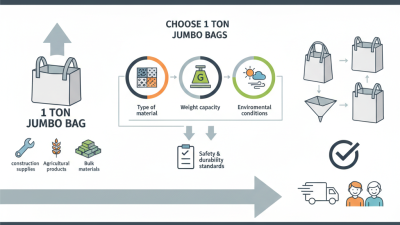
When selecting PP woven FIBC bags, specific key factors can significantly affect your choice. One critical aspect is the intended use of the bags. For example, if you're transporting hazardous materials, ensure the bags meet safety standards like ISO 21898. According to industry reports, approximately 30% of FIBC failures result from improper usage. Hence, knowing the specific requirements is crucial.
Another factor is sizing and capacity. The bags come in various dimensions, accommodating different volumes. A report from the Flexible Intermediate Bulk Container Association states that choosing the wrong size can lead to inefficiencies. Overloading bags may cause damage, while underutilizing them results in wasted resources. Finding the right fit can optimize your operations.
Additionally, consider the bag's fabric grade and stitching. High-quality polypropylene increases durability and reduces tear rates. A study showed that bags with a higher denier have better resistance against wear and tear. Ensure that stitching conforms to proper standards. Inspect seams; weak points can lead to disastrous failures. These details can significantly influence the performance and safety of the FIBC bags you choose.
Essential Tips for Choosing the Right PP Woven FIBC Bags
| Factor |
Description |
Importance Level |
| Material Quality |
Choose high-quality polypropylene for better durability and strength. |
High |
| Load Capacity |
Select bags with adequate load capacity based on your requirements. |
High |
| UV Protection |
Consider bags treated for UV resistance if exposed to sunlight. |
Medium |
| Closure Type |
Decide between heat seal, sewn, or other closure types based on content safety. |
High |
| Size and Dimensions |
Choose size according to the volume of materials to be carried. |
High |
| Customization Options |
Investigate possibilities for custom prints and labels to enhance visibility. |
Medium |
Comparing Load Capacities and Dimensions of FIBC Bags
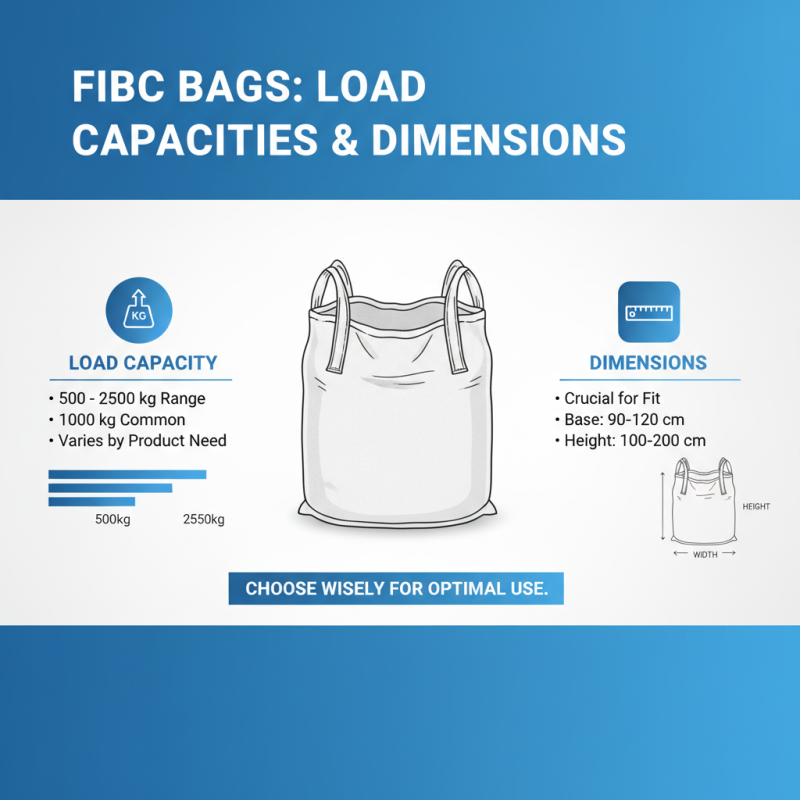
When selecting PP woven FIBC bags, understanding load capacities and dimensions is crucial. The load capacity for FIBC bags can vary widely. Common capacities range from 500 to 2500 kg. Specific needs determine which capacity is best for your application. A 1000 kg bag may suffice for some products, while others need bags that can handle more.
Dimensions play a vital role too. An FIBC bag’s size impacts its ability to fit various handling equipment. Standard dimensions often include heights from 90 to 110 cm. However, the width can differ based on requirements. Utilizing the correct dimensions ensures optimal space usage during transportation and storage.
Tip: Always consider the product’s nature when choosing the bag dimensions. Bulkier items may require custom sizes. Another tip involves choosing bags with a safe working load based on your specific product needs. Ensure bags comply with industry standards. Always check if any certifications are necessary for your products. While it's tempting to choose cheaper options, assess the long-term implications and durability. Reflect on your choice carefully, as inappropriate selections lead to costly setbacks.
Assessing Material Quality: Thickness and Weaving Techniques
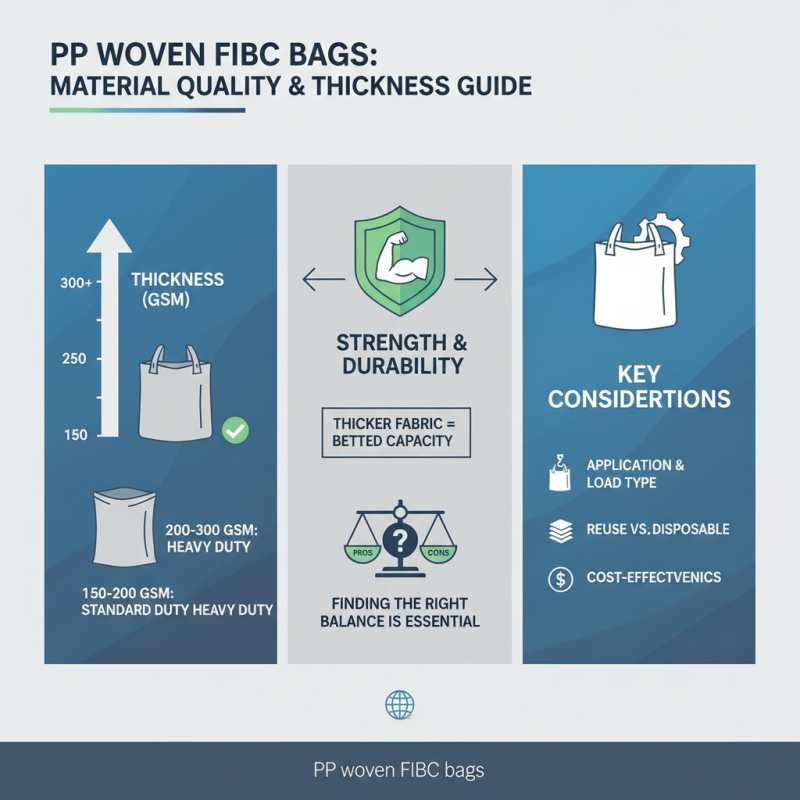
When selecting PP woven FIBC bags, material quality is crucial. Thickness plays a key role in determining a bag's strength and durability. Typically, bags range from 150 to 300 grams per square meter (gsm). A thicker fabric often results in better load-bearing capacity. However, thicker doesn't always mean better. Finding the right balance is essential for specific applications.
Weaving techniques also influence bag performance. A common method is the circular weaving technique. This technique provides increased strength and flexibility. Recent studies indicate that bags made with this method can handle up to 20% more weight than those made with simpler weaves. However, not all manufacturers ensure consistent quality in weaving. This inconsistency can lead to unexpected failures, which might be costly.
It's important to evaluate both the thickness and weaving techniques of the bags. Many manufacturers might skip rigorous testing for these properties. Businesses should ask for data and certifications to ensure quality. Compromise on these aspects could lead to disasters, including product loss and increased costs. Thus, due diligence in material assessment is crucial for long-term success.
Evaluating Cost-Effectiveness and Supplier Reliability in FIBC Procurement
When evaluating cost-effectiveness in FIBC procurement, it’s essential to analyze both material quality and supplier reliability. A report from the Flexible Intermediate Bulk Container Association indicates that high-quality polypropylene (PP) woven bags can reduce logistics costs by up to 30%. This means, investing in durable bags often leads to long-term savings. You want bags that withstand wear, but not all suppliers offer the same level of quality.
Supplier reliability is critical, too. A study shows that 40% of users face delays due to unreliable suppliers. This can lead to production stoppages. To avoid this, assess suppliers’ reputation and delivery times. Request samples to evaluate bag durability before committing. Frequent communication with suppliers can reveal their responsiveness and commitment to quality.
In the quest for savings, don’t overlook hidden costs. A low initial price might hide poor quality. Damaged bags can increase overall expenses. Think about the implications of these factors before making a decision. Balancing cost and quality is not easy, but prudent choices pay off. Reliable suppliers are indispensable in ensuring consistent supply and product quality. These choices impact the overall efficiency of your operations.